These are the common graphs that were used in the exam:
- Linear
- Parabola
- Hyperbola (more info later)
- Circle (more info later)
You will use simultaneous equations between a linear line, with parabolas, hyperbolas, or circles to find their intersection points.
Hyperbolas:
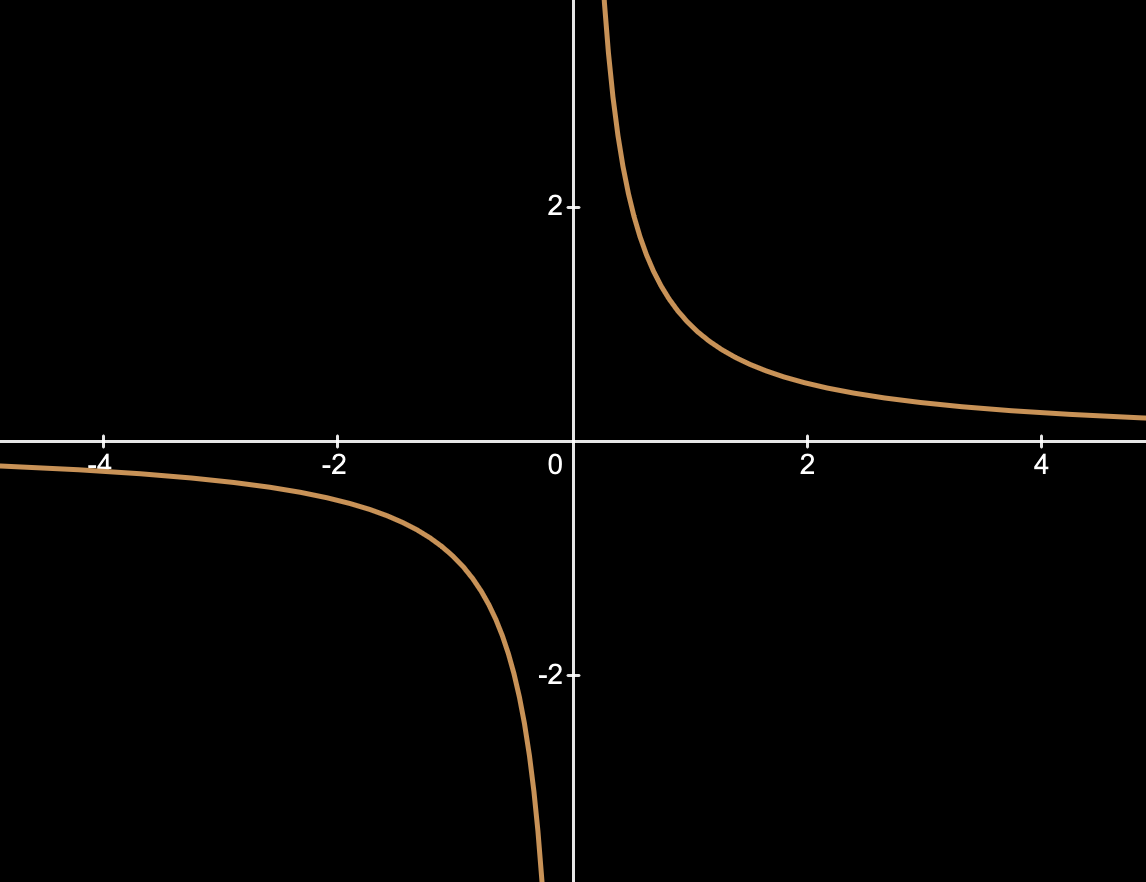
This is a regular hyperbola ( ), where on the image above.
is the scale factor, and if it goes up, the distance between the hyperbola and the origin increases. If falls below , then the graph is inversed.
Here is the generic hyperbola equation that is translatable:
where is the vertex coordinate of the parabola.
However, when translating, you must invert the signs for (try it yourself online!)
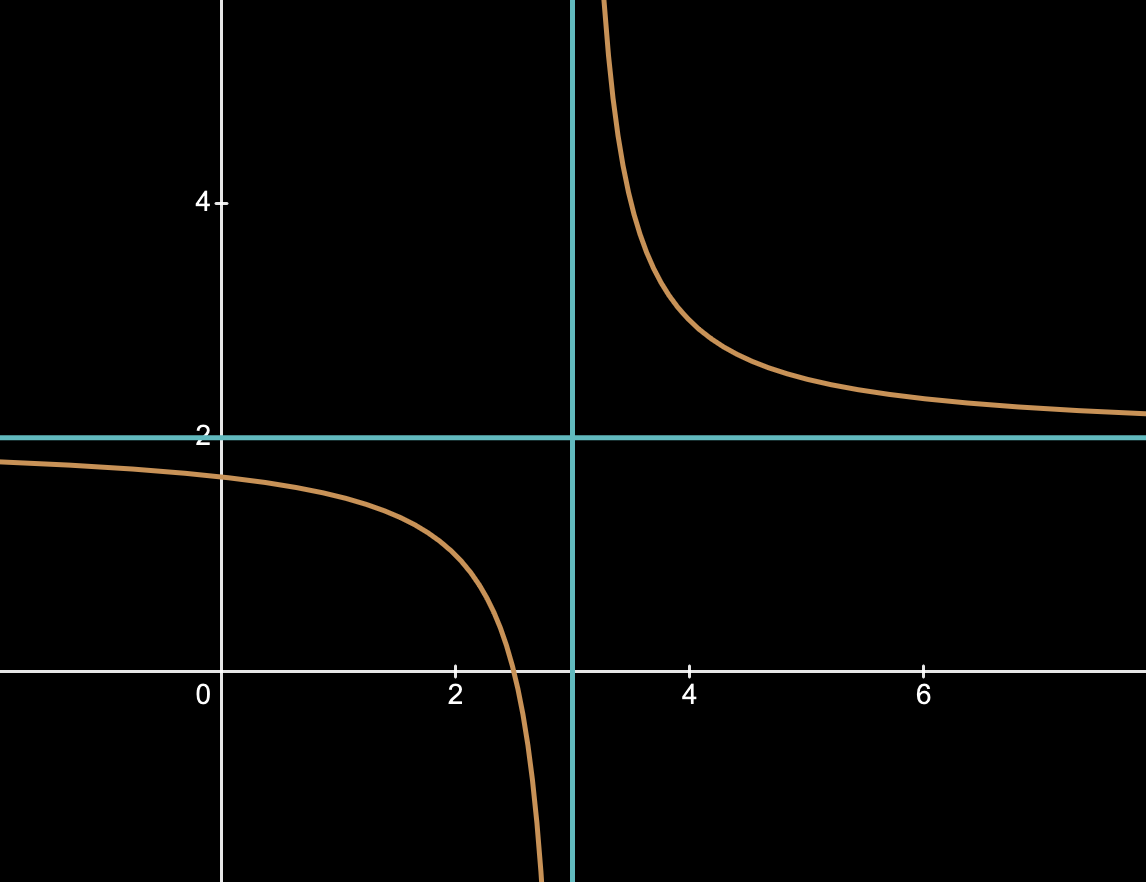
Translated graph with asymptote in blue.
Asymptote = , and .
Circles:
Circles are relatively easier than the hyperbolas. This is their generic equation:
, is the radius of the circle.
To make the graph translatable, you replace with , and with .
when this form is used, the center will be located at .
Knowing how these graphs aren’t that important in this standard (it is important in as91257, though), as the main thing is solving simultaneous functions.